
Blog

Michelle Ann ZoletaHealth & Safety Team Manager
- Workplace Health & Safety
Home
Resources
Workplace Health & Safety
Michelle Ann Zoleta, Health & Safety Team Manager
(Last updated )
Michelle Ann Zoleta, Health & Safety Team Manager
(Last updated )
Winter in Canada brings more than snow and cold. It brings a range of hidden hazards for small and medium-sized businesses. From icy walkways and outdoor cold stress to seasonal illnesses and winter driving risks, the season can increase both employee risk and operational cost.
Being proactive not only keeps your team safer but helps you stay compliant with health & safety regulations and avoid business disruption.
Icy sidewalks, wet floors, and snow-covered entryways are among the leading causes of winter workplace injuries. A single slip-and-fall incident can result in time off work, workers’ compensation claims, and possible fines if safety standards aren’t met. Winter surfaces are unpredictable and require consistent monitoring to reduce risk.
How to prevent slip-and-fall injuries:
Cold stress can affect outdoor workers, and anyone exposed to drafts, poorly insulated areas, or unpredictable weather. Prolonged exposure to cold temperatures can lead to frostbite, hypothermia, reduced dexterity, impaired judgment, and long-term health issues. Employers have a duty to protect workers from extreme weather conditions and provide warm-up opportunities.
How to prevent cold stress:
Flu season consistently leads to increased absenteeism, reduced productivity, and operational disruptions. Without preventative measures, viruses can spread rapidly, especially in offices, retail environments, and shared workspaces. Encouraging proper hygiene and illness reporting is key to minimizing outbreaks.
How to reduce spread of flu and viruses:
Shorter days and limited sunlight can cause reduced concentration, low energy, irritability, and depression in employees. SAD can affect morale, productivity, and engagement—especially in indoor or windowless work environments. Employers play an important role in creating a supportive, stigma-free atmosphere.
How to support employees with SAD:
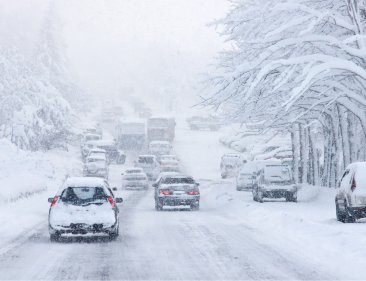
Winter road conditions are a major risk for commuting employees and anyone driving for work. Snowstorms, black ice, freezing rain, and poor visibility can lead to delays, traffic collisions, and missed shifts. Employers must create clear expectations, so employees know what to do when winter weather makes travel unsafe.
How an inclement weather policy helps:
Winter emergencies, such as power outages, blizzards, frozen pipes, or prolonged transit shutdowns, can leave employees confused and employers scrambling without a plan in place. A well-developed emergency response plan prevents miscommunication, delays, and risks to employee safety.
What to include in a winter emergency response plan:
Peninsula Canada can help you create compliant documentation, risk assessments, and emergency procedures tailored to your workplace. Call us today at 1 (833) 247-3652.
Home
Resources
Workplace Health & Safety
Blog
Blog

Blog

Speak to a Peninsula consultant to see how you could save time and cut risk with unlimited support